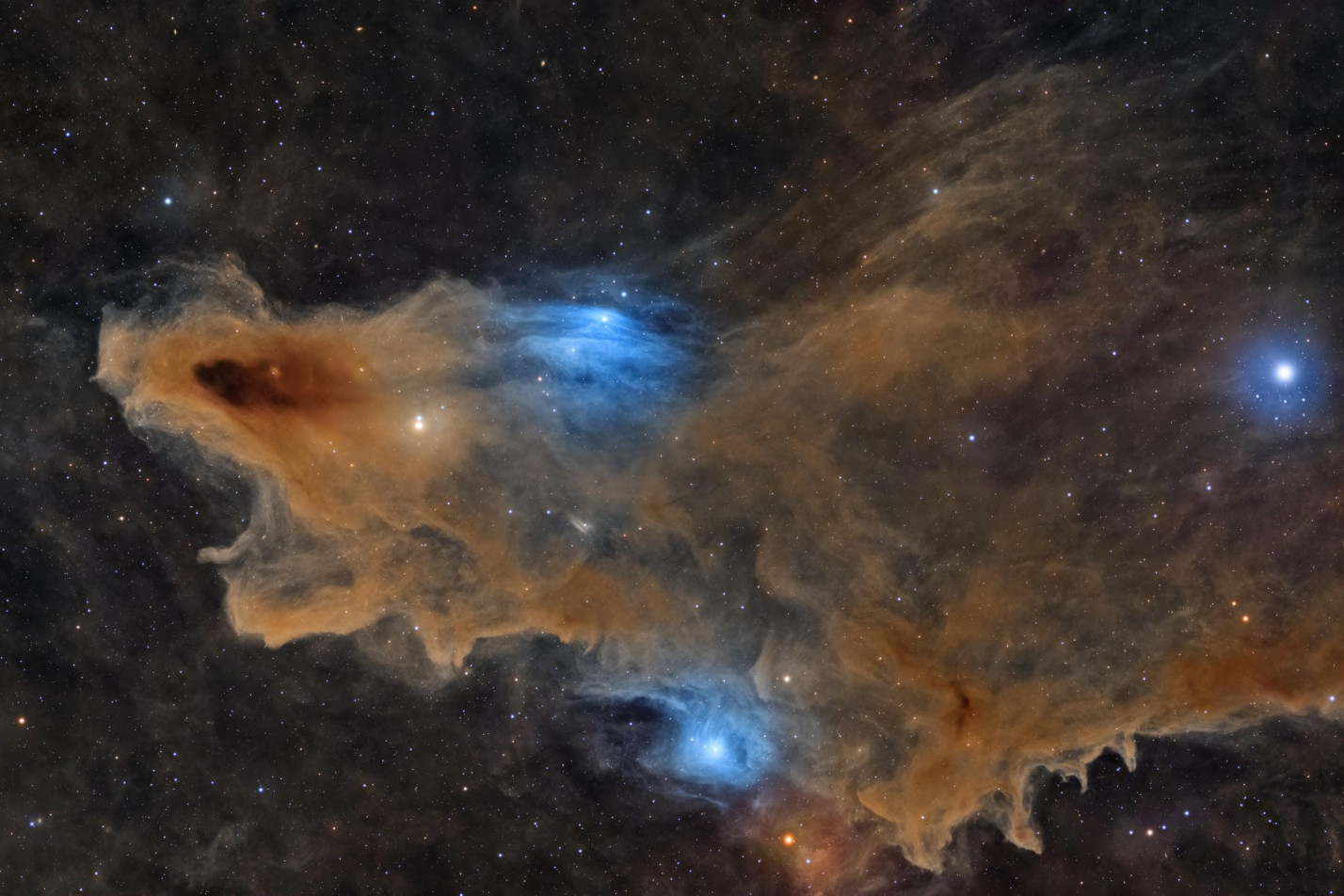
Zwycięskie zdjęcie „The Quiet Predator” Alego Alobaidly'ego — zdobywca Grand Prix Astronomy Photographer of the Year 2026.
Astronomy Photographer of the Year 2026 po raz kolejny pokazuje, jak niezwykłe obrazy można stworzyć, łącząc fotografię, astronomię, cierpliwość i nowoczesną technikę. W 18. edycji konkursu główną nagrodę zdobył Ali Alobaidly z Kuwejtu za fotografię „The Quiet Predator” („Cichy drapieżnik”), przedstawiającą Mgławicę Rekin. Wśród laureatów znalazł się również Polak – Paweł Wawrzyniak, zwycięzca kategorii Annie Maunder Open.
18. edycja konkursu
ZWO Astronomy Photographer of the Year organizowany przez Royal Observatory Greenwich prezentuje najlepsze fotografie nocnego nieba, planet, Słońca, galaktyk i zjawisk atmosferycznych.
W tegorocznej edycji zgłoszono niemal 4000 zdjęć od 769 fotografów z 66 krajów. Konkurs obejmuje osiem głównych kategorii: Stars and Nebulae, Aurorae, Our Moon, Our Sun, People and Space, Planets, Comets and Asteroids, Skyscapes oraz Galaxies.
„The Quiet Predator” – najlepsze zdjęcie konkursu
Najważniejszą nagrodę otrzymał Ali Alobaidly z Kuwejtu za fotografię „The Quiet Predator”.
Zdjęcie przedstawia LDN 1235, znaną jako Mgławicę Rekin, znajdującą się w gwiazdozbiorze Cefeusza, około 650 lat świetlnych od Ziemi. To ciemna mgławica zbudowana z gęstego pyłu międzygwiazdowego, który blokuje światło znajdujących się za nim gwiazd. Niebieskie obszary to mgławice refleksyjne.
Fotografia została wykonana w gubernatorstwie Al-Dżahra w Kuwejcie podczas nocy 21–22 sierpnia 2025 roku.
Sprzęt i technika
- Askar 140 APO
- Sky-Watcher EQ8-R
- ZWO ASI2600MM Pro
- 784 mm, f/5.6
- 28 godzin i 30 minut łącznego czasu integracji
Zdjęcie zdobyło pierwsze miejsce w kategorii Stars and Nebulae oraz główną nagrodę całego konkursu. Grand Prix wynosi 10 000 funtów.
Stars and Nebulae — pozostałe wyróżnienia
W tej samej kategorii jury doceniło również prace Cédrica Humberta („Abell 85”) oraz Kfira Simona („Beyond the Wormhole”).
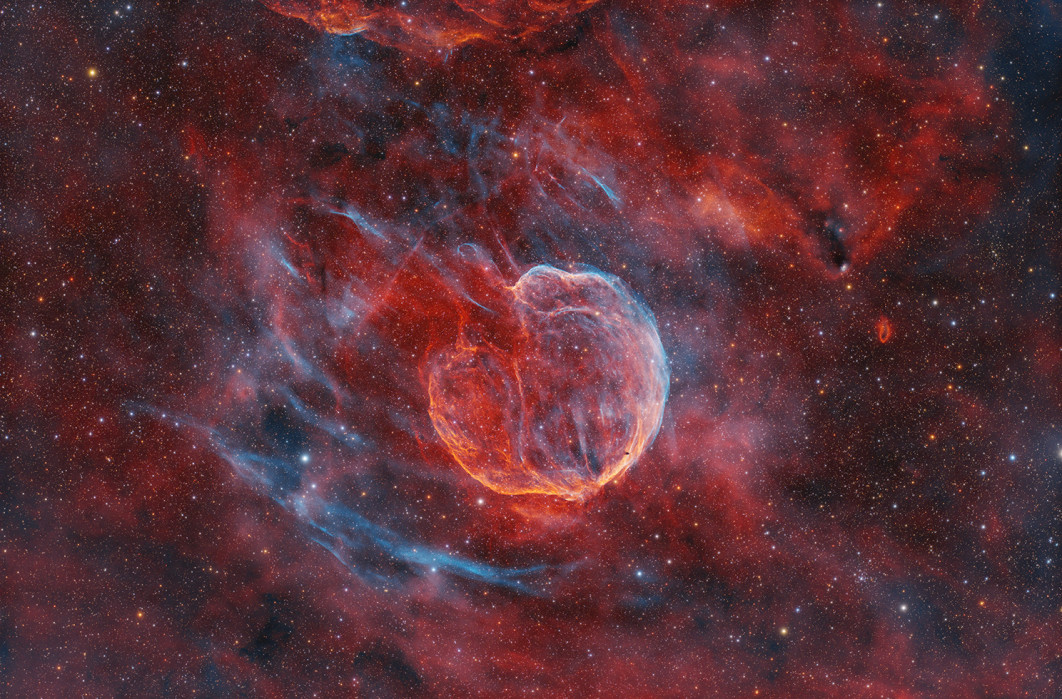 „Abell 85” — Cédric Humbert. Fot. Cédric Humbert / Astronomy Photographer of the Year 2026.
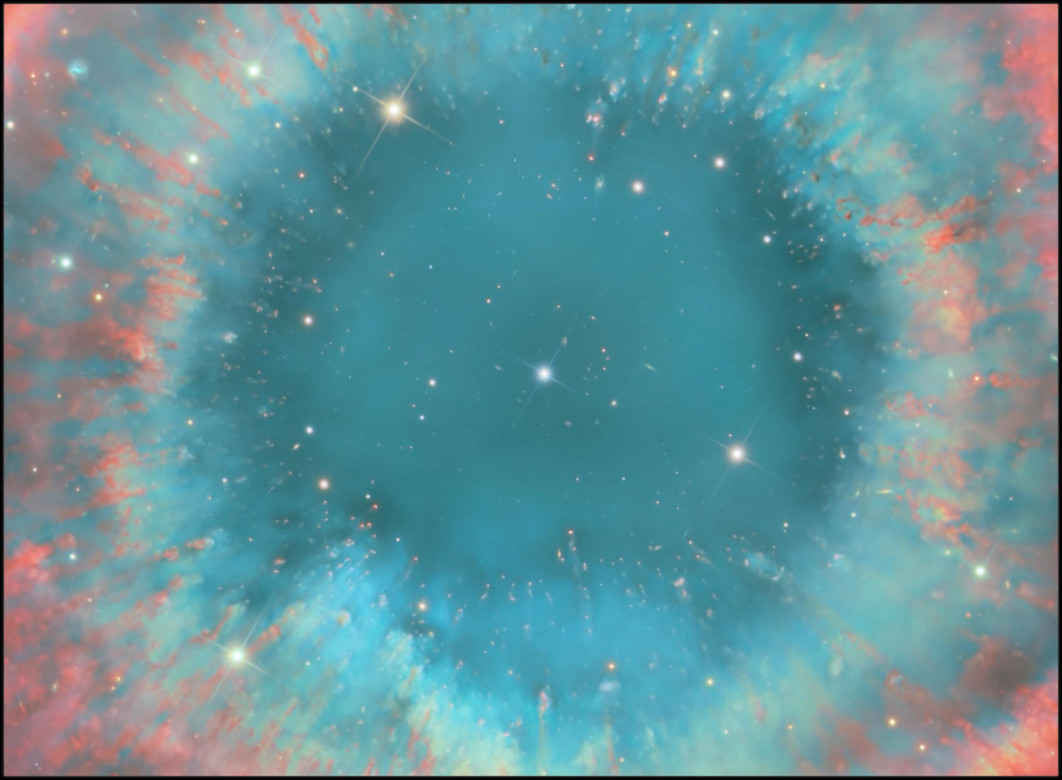 „Beyond the Wormhole” — Kfir Simon. Fot. Kfir Simon / Astronomy Photographer of the Year 2026.
Polski sukces – Paweł Wawrzyniak
Jednym z najważniejszych wydarzeń z perspektywy polskich fotografów jest zwycięstwo Pawła Wawrzyniaka w kategorii Annie Maunder Open za projekt „Reverse Astronomy: Mother”.
To eksperymentalna praca wykorzystująca analogowy materiał światłoczuły, specjalnie skonstruowany wielkoformatowy aparat oraz bezpośrednie naświetlanie materiału światłem Słońca.
Materiał Fujichrome 100 był naświetlany przez około trzy minuty, następnie poddawany kontrolowanym warunkom cieplnym i wilgotnościowym, a później ponownie fotografowany pod mikroskopem. Setki kadrów połączono w Helicon Focus, a następnie zestawiono w panoramę w Photoshopie.
Projekt bada relacje pomiędzy światłem, materią i czasem.
Uwaga: oficjalny komunikat Royal Museums Greenwich prezentuje zwycięski wpis jako „Paweł Paweł”, natomiast Fotopolis identyfikuje autora jako Paweł Wawrzyniak. Wpis używa nazwy podanej przez Fotopolis.
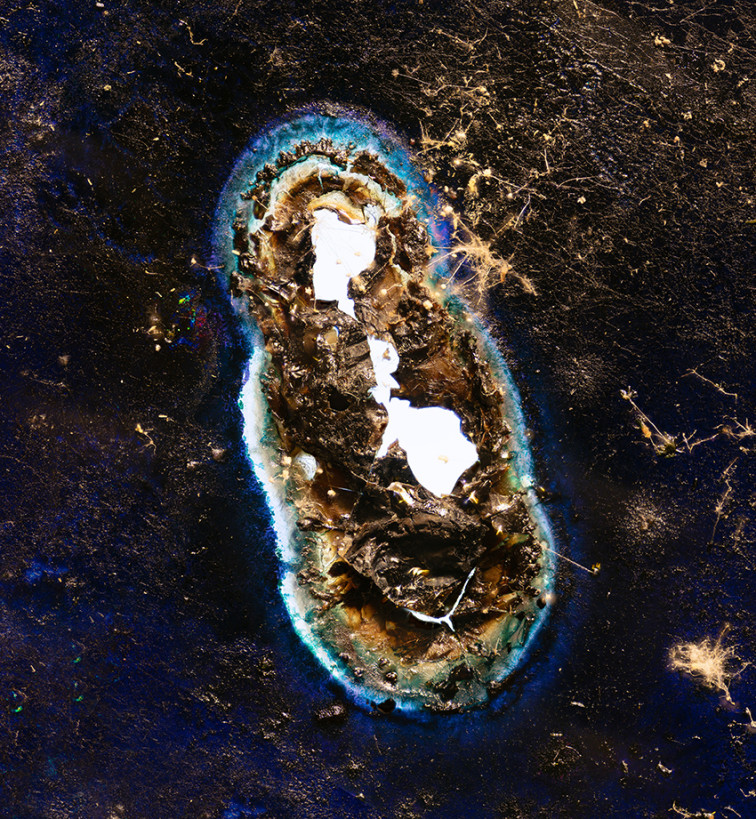 „Reverse Astronomy: Mother” — Paweł Wawrzyniak, zwycięska praca w kategorii Annie Maunder Open. Fot. Paweł Wawrzyniak / Astronomy Photographer of the Year 2026.
15-letni fotograf zachwyca zdjęciem Księżyca
Nagrodę ZWO Young Astronomy Photographer of the Year otrzymał 15-letni Nikolaos Strimpoulis z Grecji za fotografię „Mineral Moon”.
Zdjęcie pokazuje szczegółową powierzchnię Księżyca oraz subtelne różnice kolorystyczne związane z jego składem mineralnym. Fotografia została wykonana 8 marca 2025 roku w Palaio Faliro w Atenach.
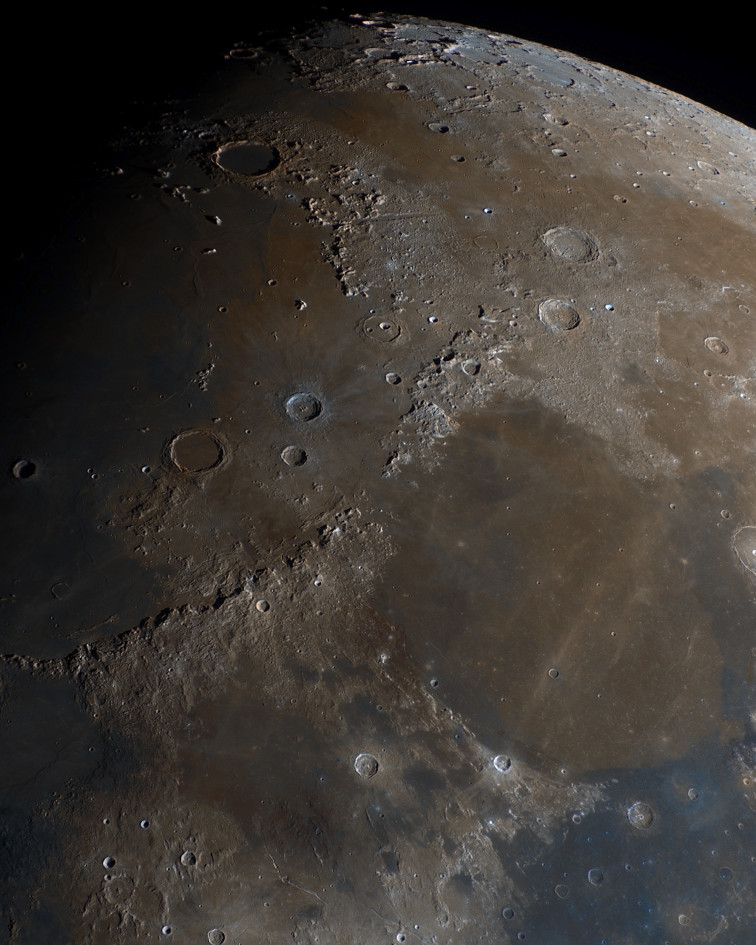 „Mineral Moon” — Nikolaos Strimpoulis, zwycięska praca w kategorii ZWO Young Astronomy Photographer of the Year. Fot. Nikolaos Strimpoulis / Astronomy Photographer of the Year 2026.
Aurorae
Zwycięzcą kategorii Aurorae został Radoslav Sviretsov z Bułgarii za „The Crown”.
Runner-up: Phil Halper – „Aurora Between Two Continents”. Highly Commended: MaryBeth Kiczenski – „On the Edge of Glory”.
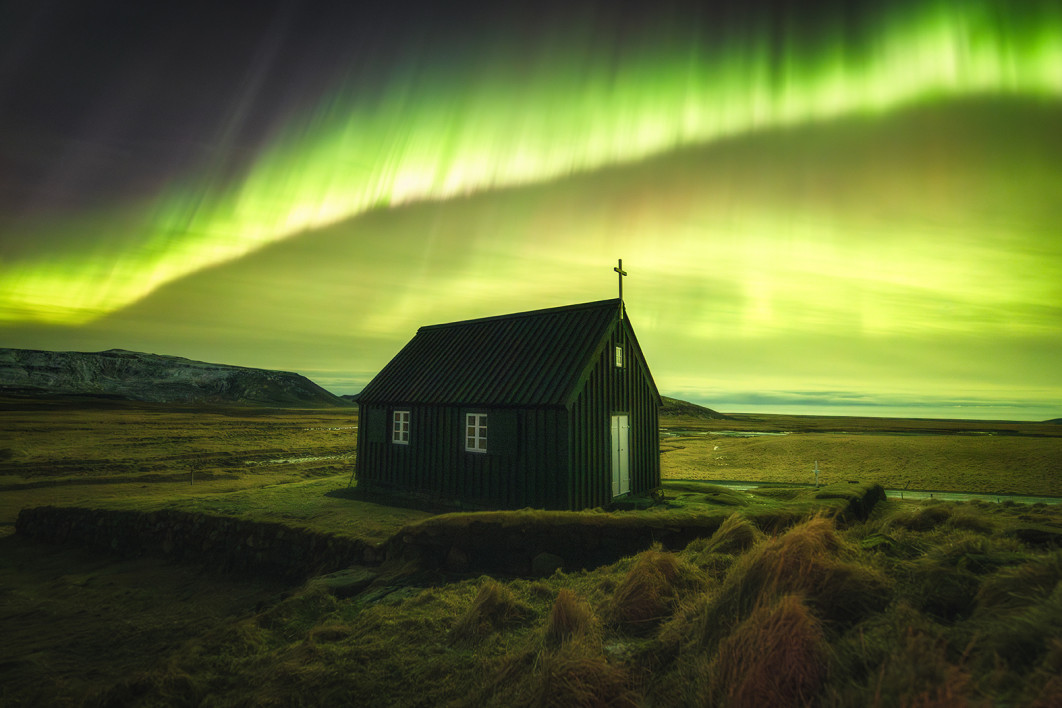 „The Crown” — Radoslav Sviretsov, zwycięzca kategorii Aurorae. Fot. Radoslav Sviretsov / Astronomy Photographer of the Year 2026.
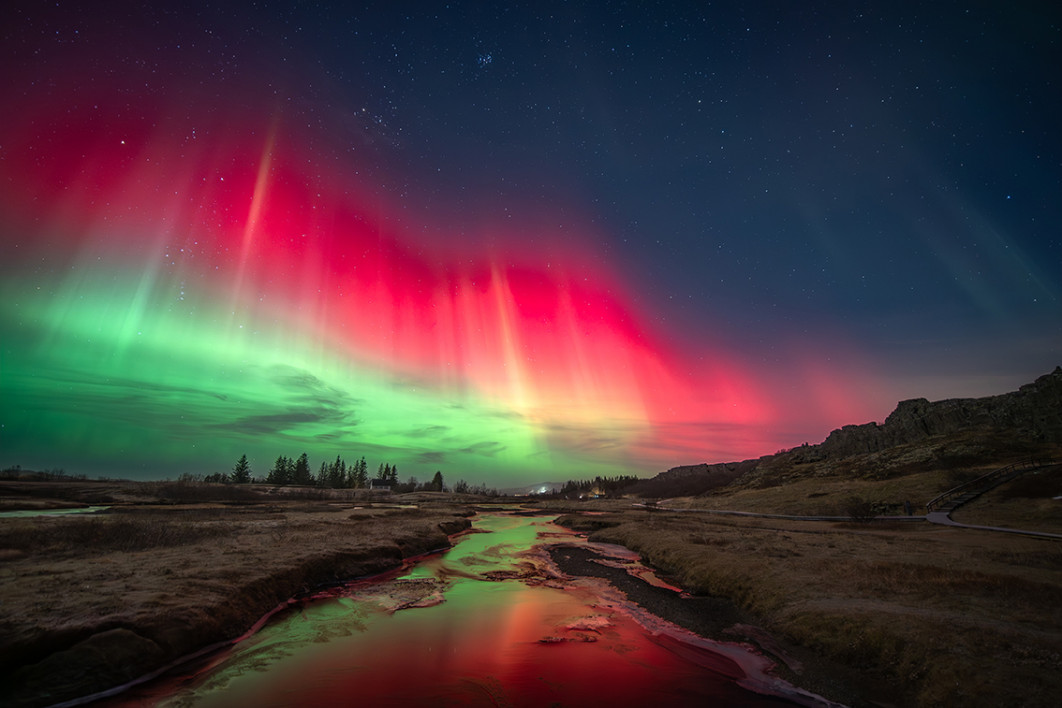 „Aurora Between Two Continents” — Phil Halper, runner-up w kategorii Aurorae. Fot. Phil Halper / Astronomy Photographer of the Year 2026.
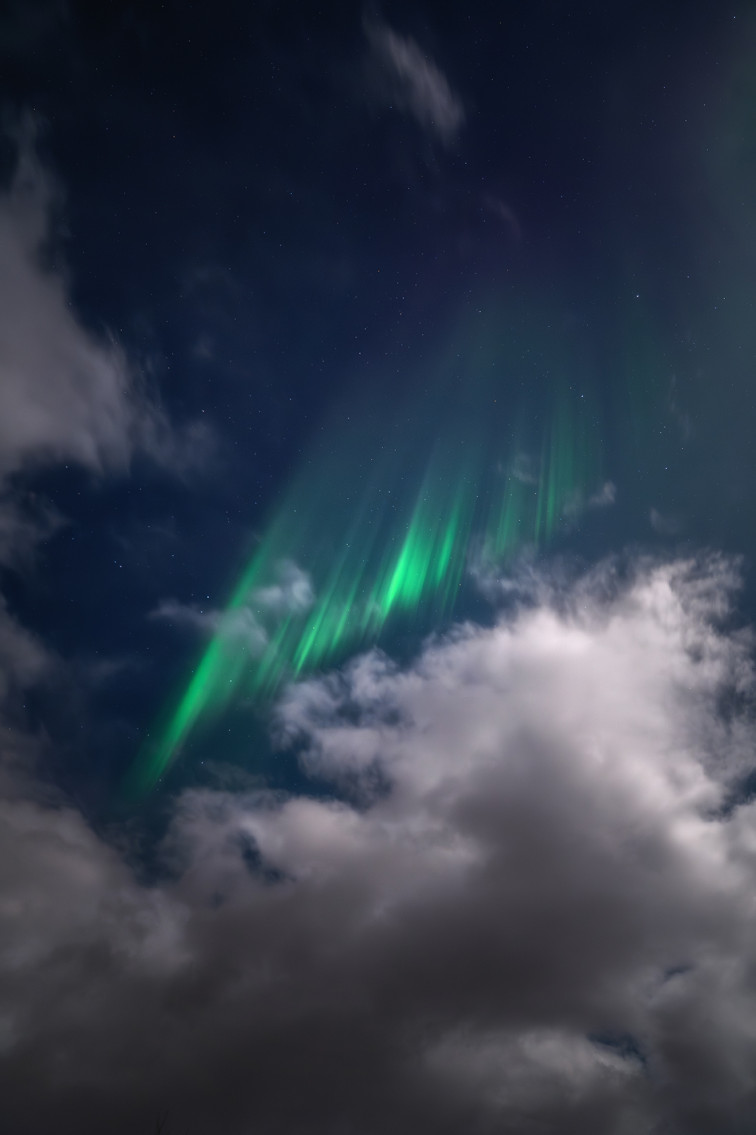 „On the Edge of Glory” — MaryBeth Kiczenski, highly commended w kategorii Aurorae. Fot. MaryBeth Kiczenski / Astronomy Photographer of the Year 2026.
Our Moon
Zwyciężył Petr Horalek za „Venusian Pearl on the Moon”.
Runner-up: Raul Cantemir – „Plato and Vallis Alpes”. Highly Commended: Tom Williams – „Pythagoras Crater”.
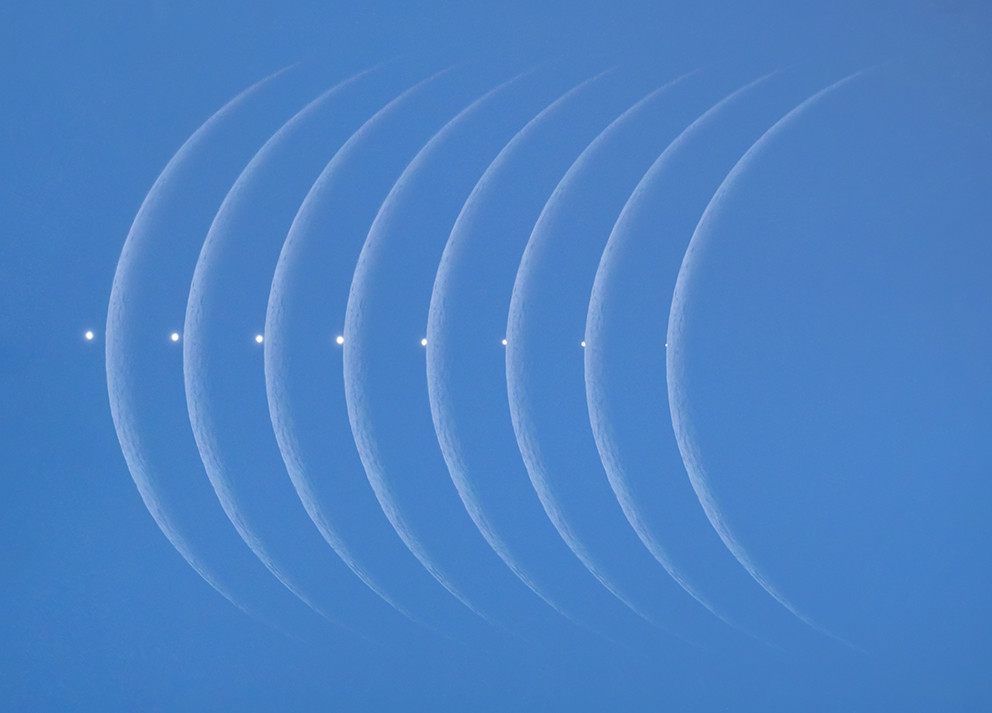 „Venusian Pearl on the Moon” — Petr Horalek, zwycięzca kategorii Our Moon. Fot. Petr Horalek / Astronomy Photographer of the Year 2026.
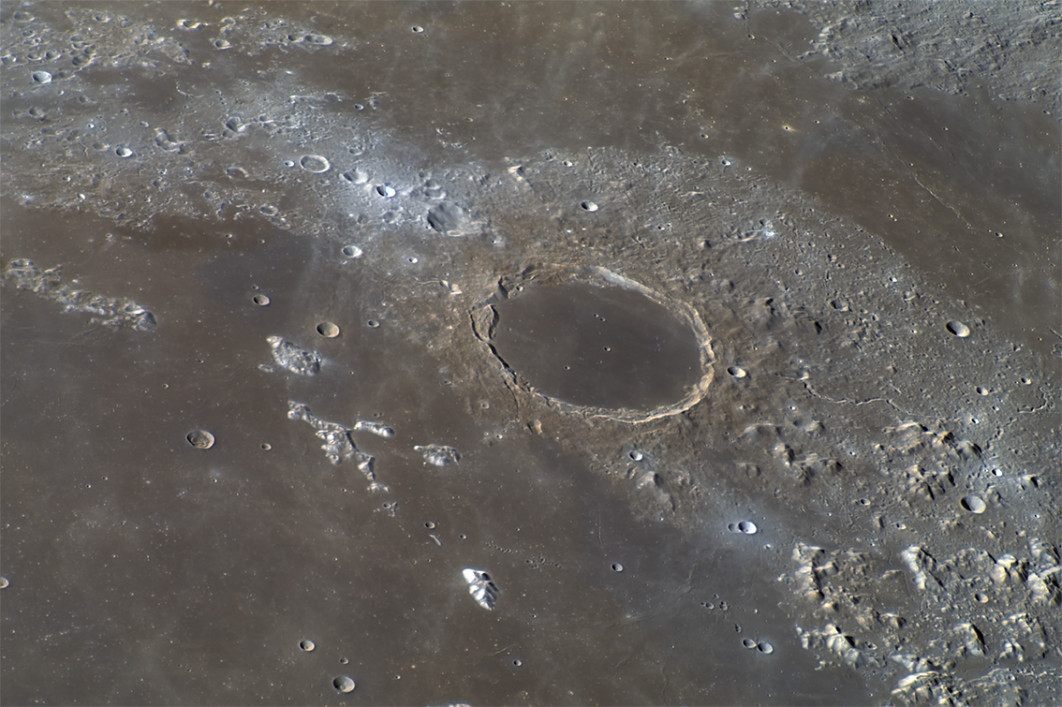 „Plato and Vallis Alpes” — Raul Cantemir, runner-up w kategorii Our Moon. Fot. Raul Cantemir / Astronomy Photographer of the Year 2026.
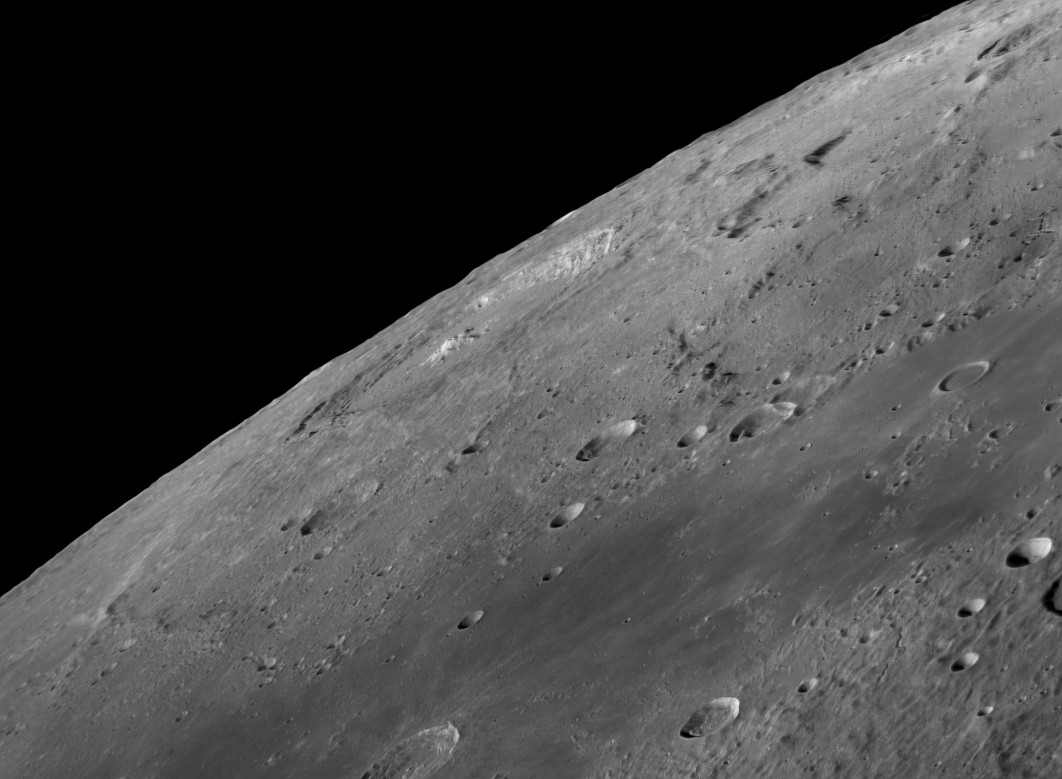 „Pythagoras Crater” — Tom Williams, highly commended w kategorii Our Moon. Fot. Tom Williams / Astronomy Photographer of the Year 2026.
Our Sun
Zwyciężył Miguel Claro za „Active Region 4122”.
Runner-up: Peter Ward – „Anatomy of the Chromosphere”. Highly Commended: James McBeath – „Moody Partial Solar Eclipse”.
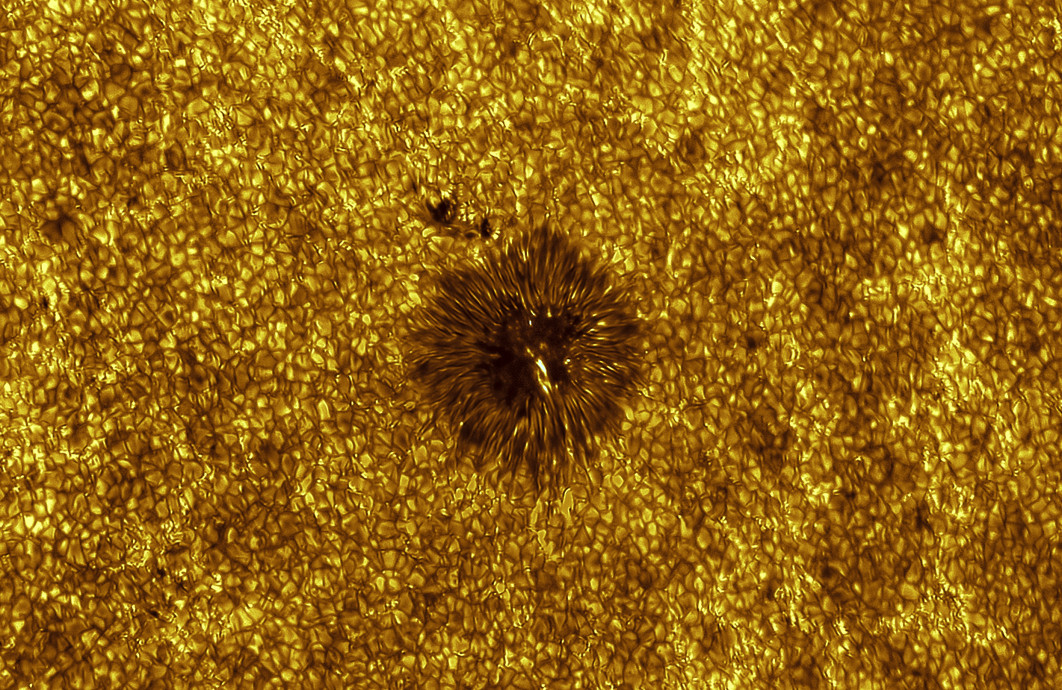 „Active Region 4122” — Miguel Claro, zwycięzca kategorii Our Sun. Fot. Miguel Claro / Astronomy Photographer of the Year 2026.
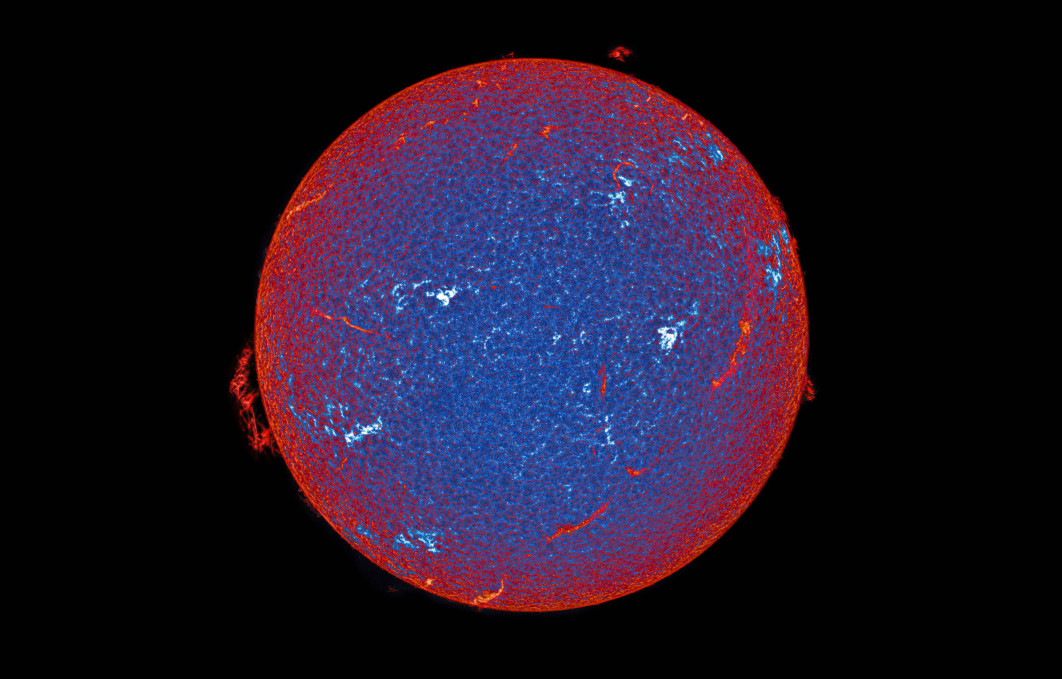 „Anatomy of the Chromosphere” — Peter Ward, runner-up w kategorii Our Sun. Fot. Peter Ward / Astronomy Photographer of the Year 2026.
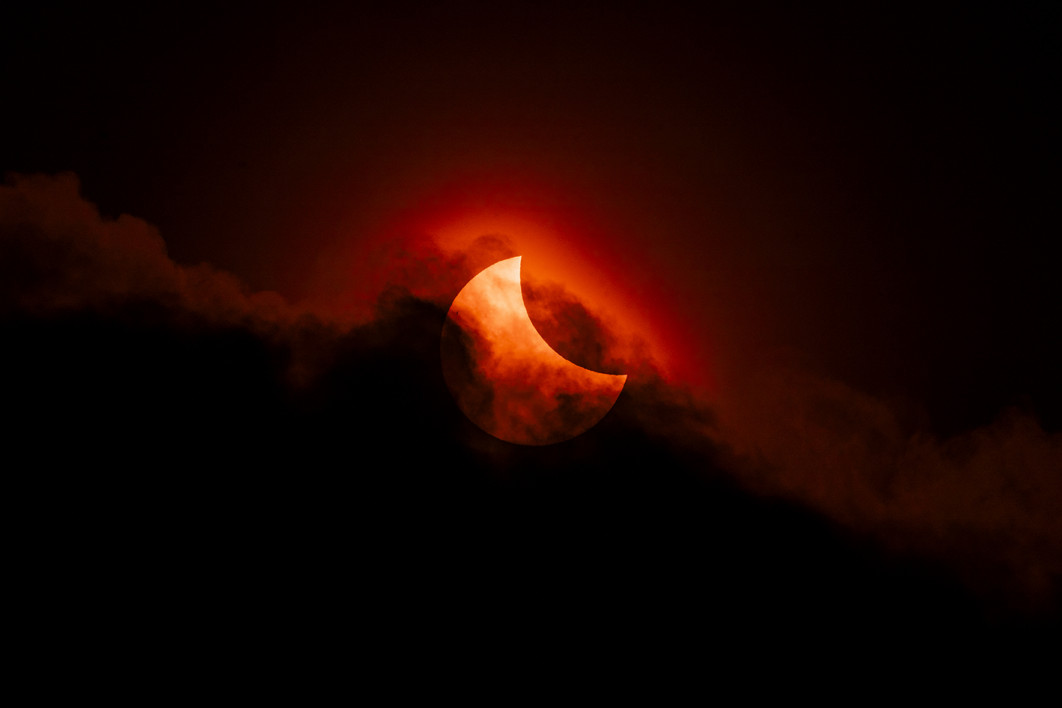 „Moody Partial Solar Eclipse” — James McBeath, highly commended w kategorii Our Sun. Fot. James McBeath / Astronomy Photographer of the Year 2026.
People and Space
Zwyciężył Max Inwood za „A Message from the Ancients”.
Runner-up: Dan Zafra – „Capture the Night”. Highly Commended: AJ Smadi – „Golden Moonrise Over Seattle”.
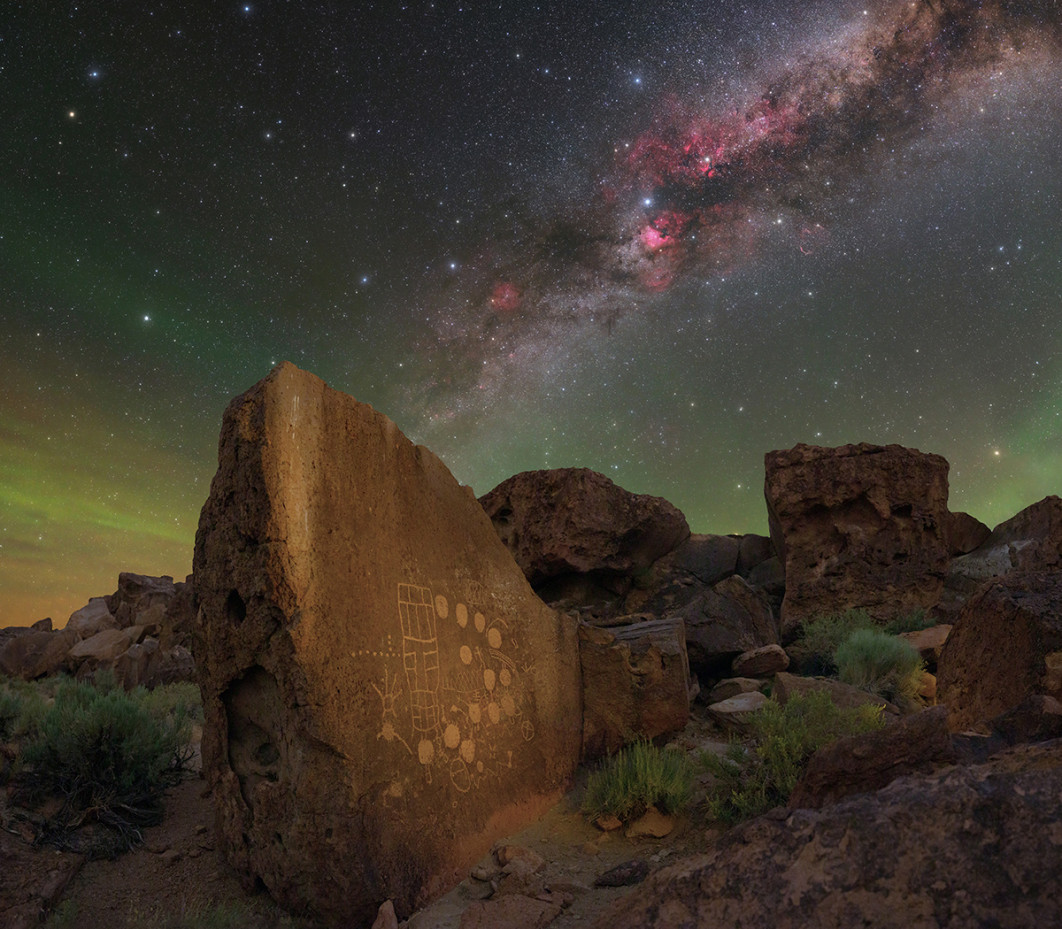 „A Message from the Ancients” — Max Inwood, zwycięzca kategorii People and Space. Fot. Max Inwood / Astronomy Photographer of the Year 2026.
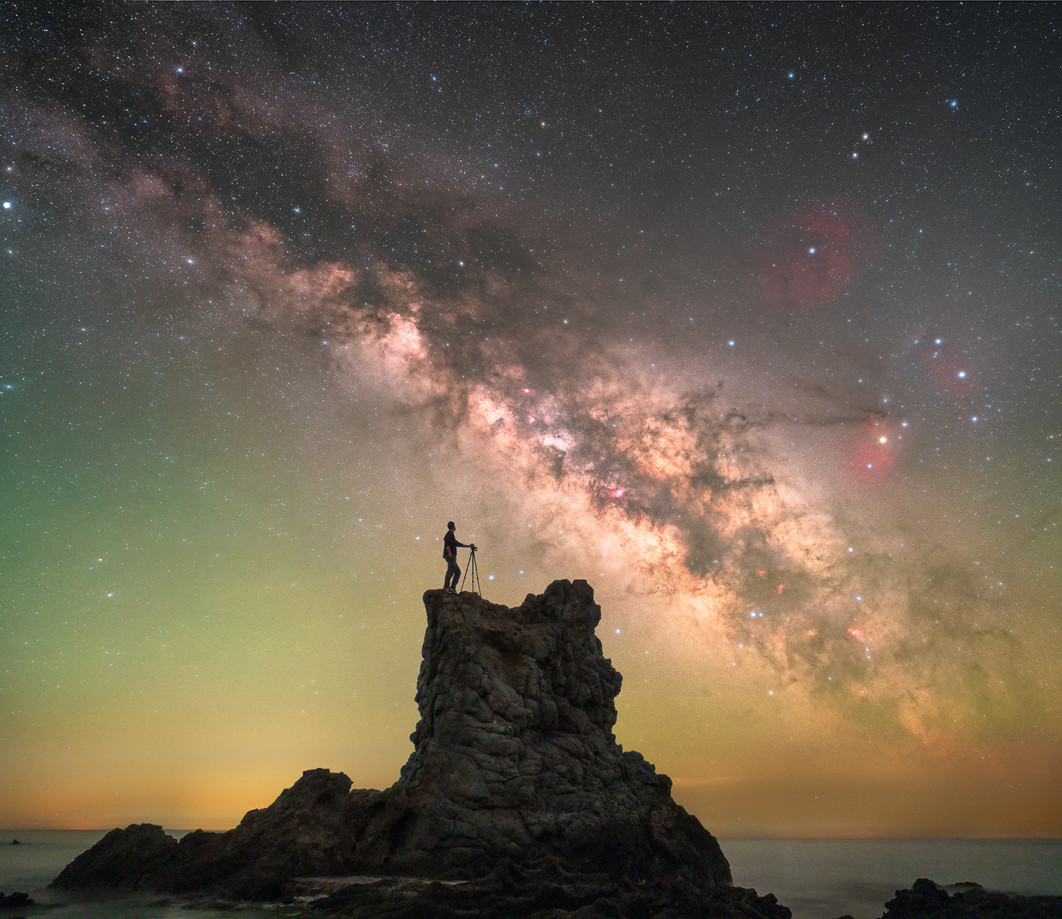 „Capture the Night” — Dan Zafra, runner-up w kategorii People and Space. Fot. Dan Zafra / Astronomy Photographer of the Year 2026.
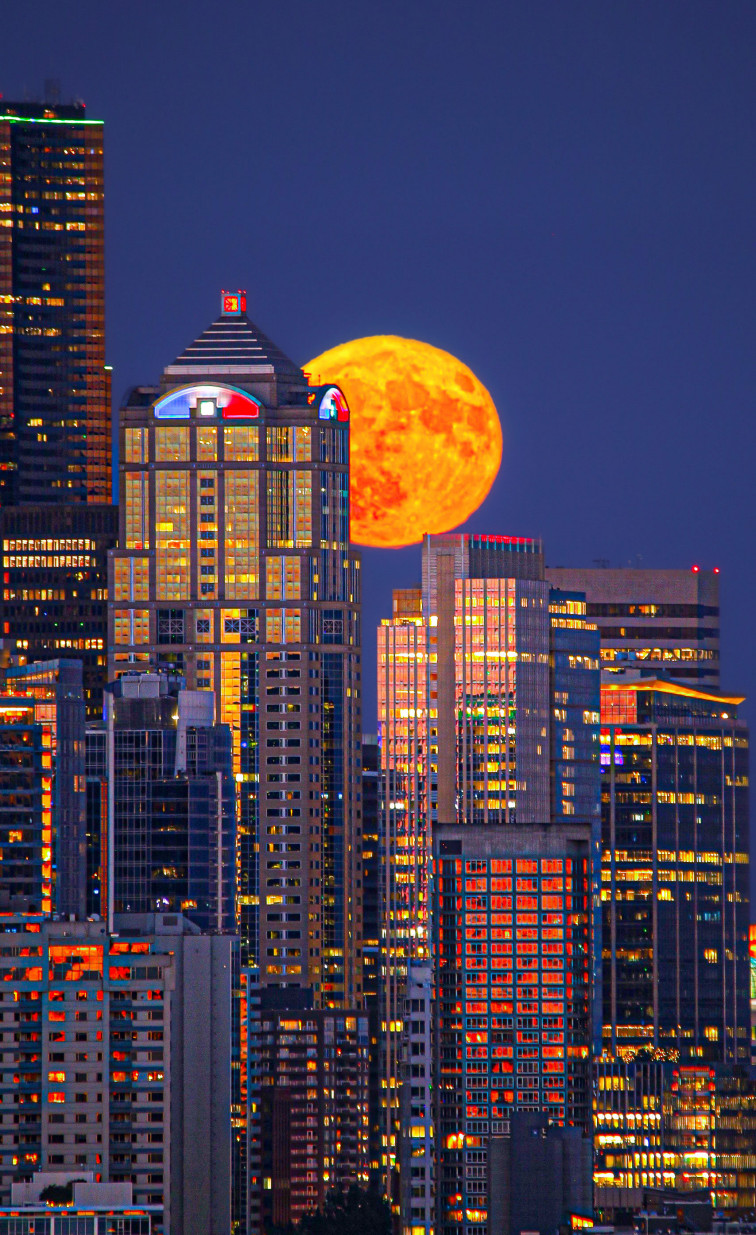 „Golden Moonrise Over Seattle” — AJ Smadi, highly commended w kategorii People and Space. Fot. AJ Smadi / Astronomy Photographer of the Year 2026.
Planets, Comets and Asteroids
Zwyciężył Tom Williams za „Saturnian Equinox”, pokazujące rzadkie ustawienie związane z płaszczyzną pierścieni Saturna w 2025 roku.
Runner-up: Tom Williams – „The Uranian System”. Highly Commended: Julien DeWinter i Landon Boehm – „Comet C/2025 A6 (Lemmon), 28 October”.
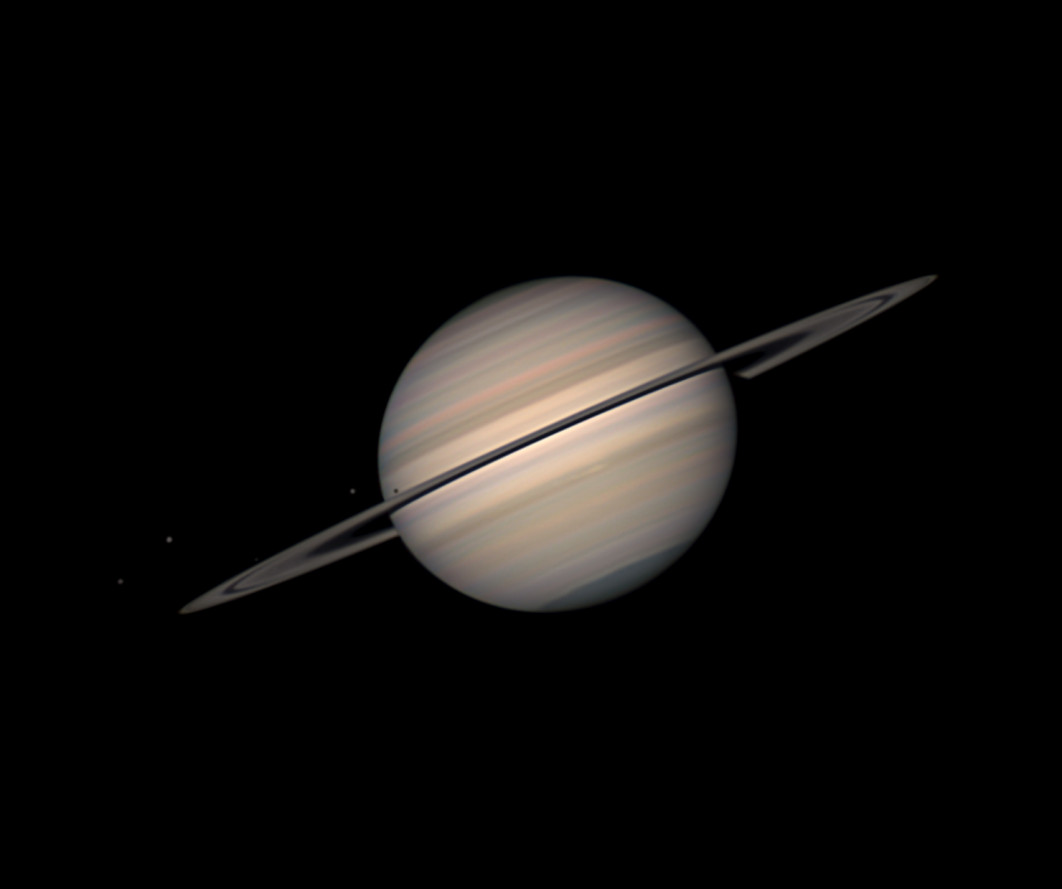 „Saturnian Equinox” — Tom Williams, zwycięzca kategorii Planets, Comets and Asteroids. Fot. Tom Williams / Astronomy Photographer of the Year 2026.
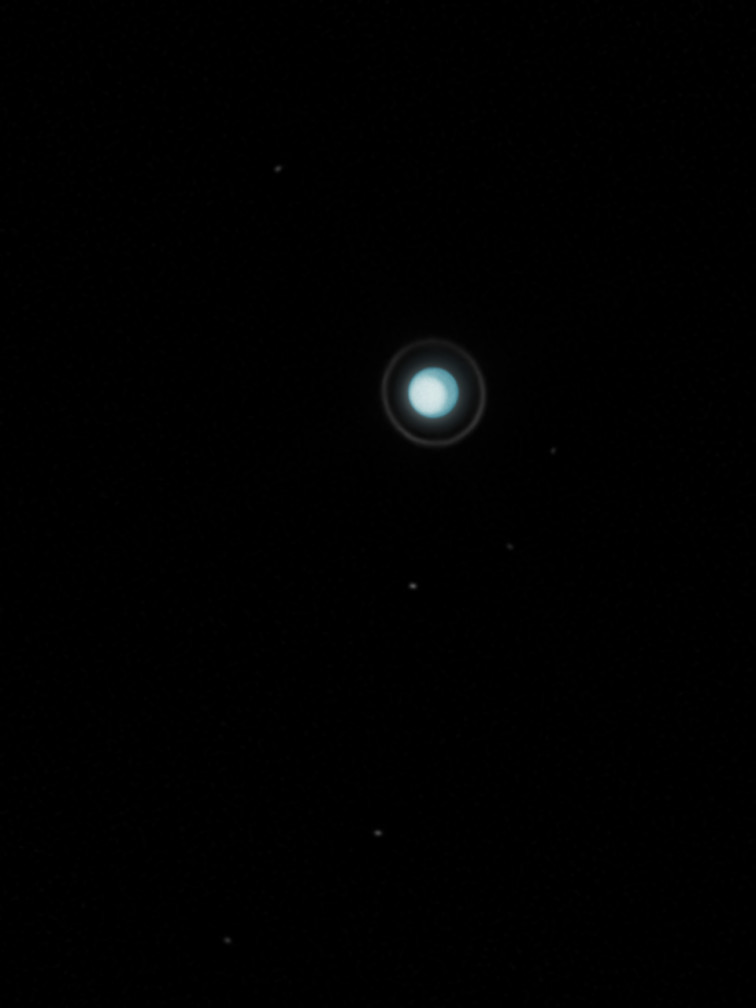 „The Uranian System” — Tom Williams, runner-up w kategorii Planets, Comets and Asteroids. Fot. Tom Williams / Astronomy Photographer of the Year 2026.
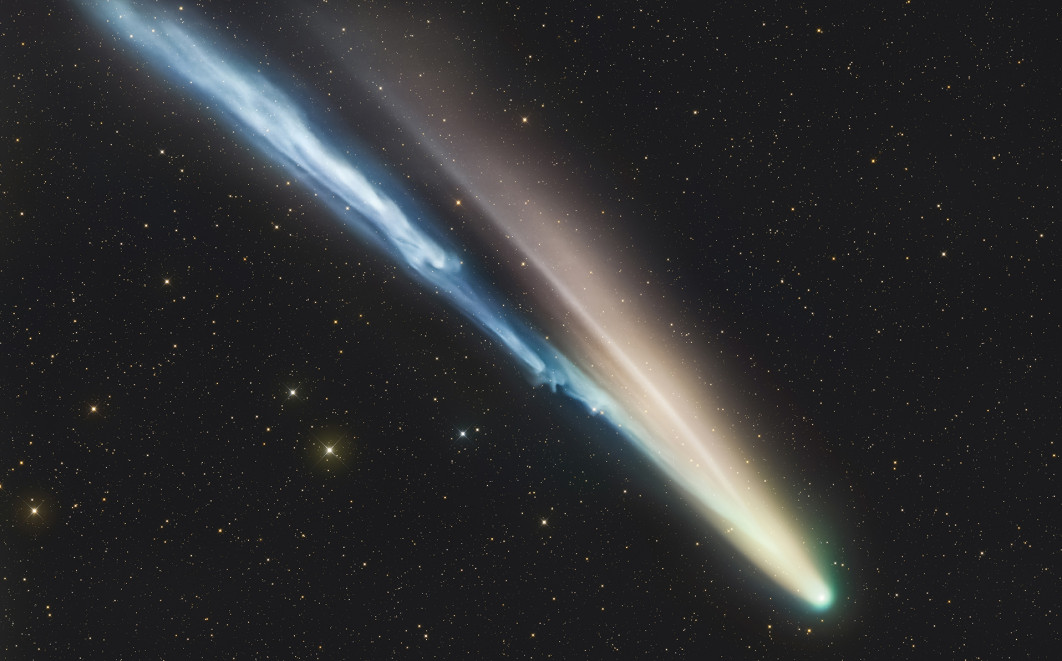 „Comet C/2025 A6 (Lemmon), 28 October” — Julien DeWinter i Landon Boehm, highly commended w kategorii Planets, Comets and Asteroids. Fot. Julien DeWinter i Landon Boehm / Astronomy Photographer of the Year 2026.
Skyscapes
Zwyciężył Stefano Pellegrini za „Botswana Star Trail”.
Runner-up: Tom Rae – „Cosmic Canyon”. Highly Commended: João Yordanov Serralheiro – „I Hear the Stars”.
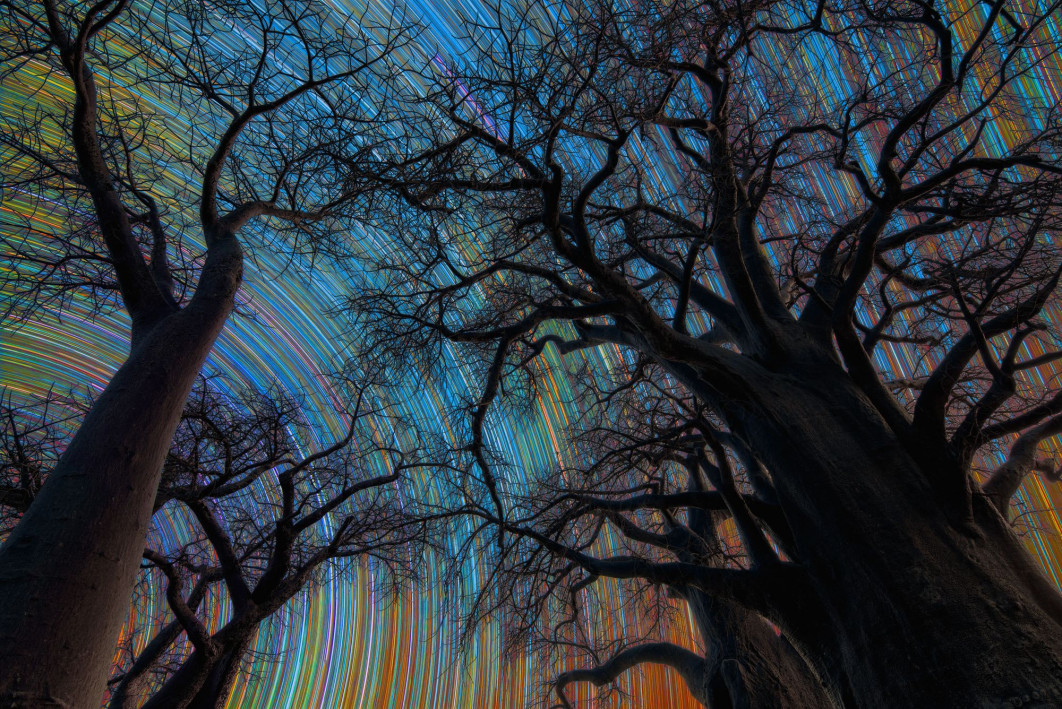 „Botswana Star Trail” — Stefano Pellegrini, zwycięzca kategorii Skyscapes. Fot. Stefano Pellegrini / Astronomy Photographer of the Year 2026.
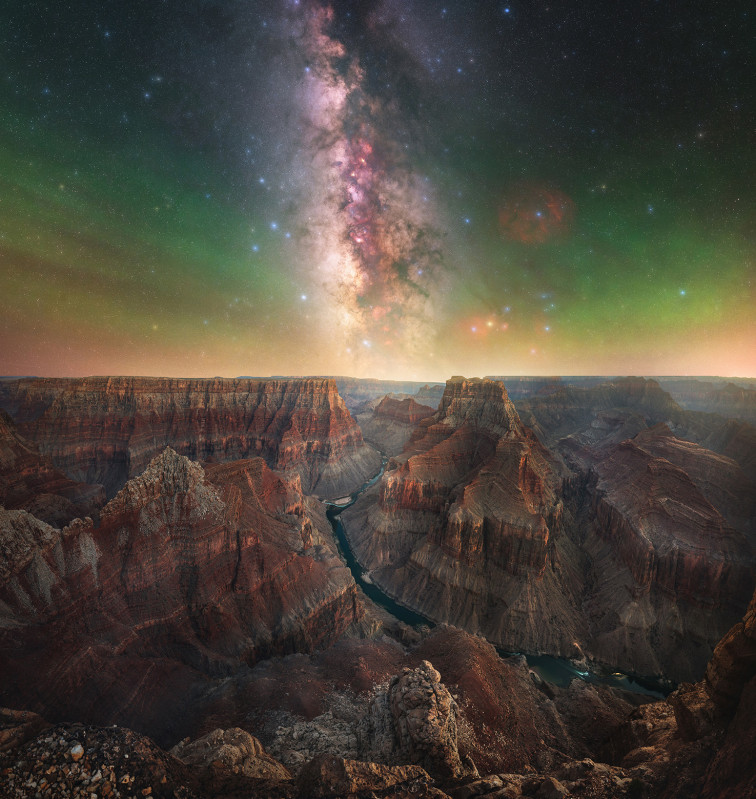 „Cosmic Canyon” — Tom Rae, runner-up w kategorii Skyscapes. Fot. Tom Rae / Astronomy Photographer of the Year 2026.
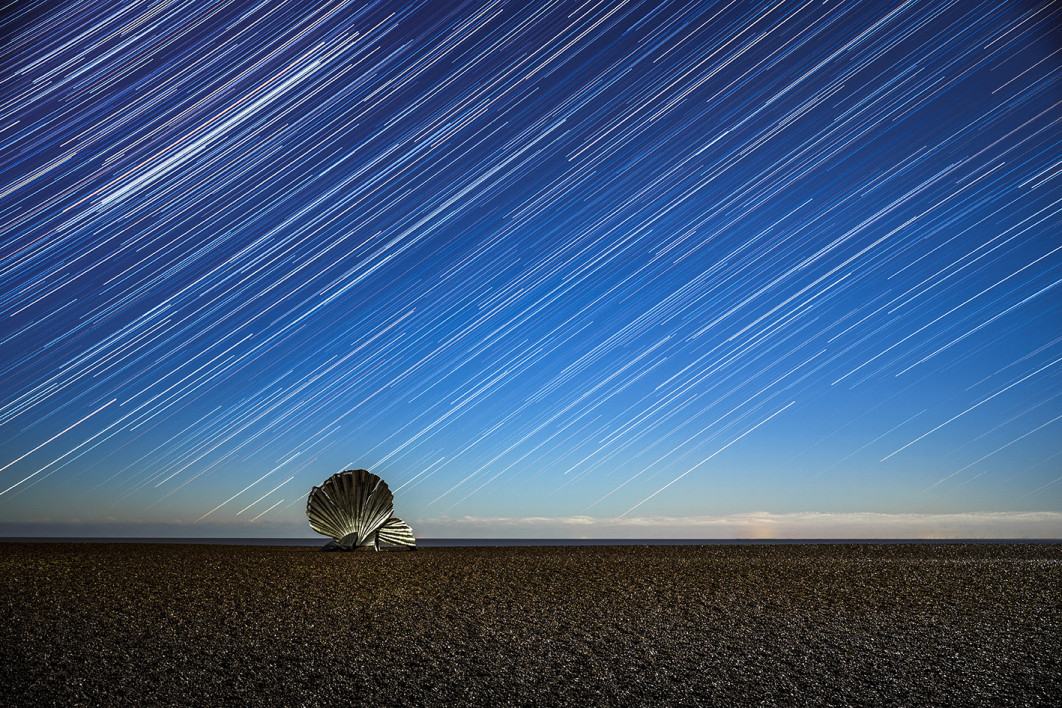 „I Hear the Stars” — João Yordanov Serralheiro, highly commended w kategorii Skyscapes. Fot. João Yordanov Serralheiro / Astronomy Photographer of the Year 2026.
Galaxies
Zwyciężyli Zhipeng Yan i Xinran Li za „NGC 4753: A Symphony of Dust Lanes in Virgo”.
Runner-up: Patrick Winkler – „M104: Pure Elegance”. Highly Commended: Shaoyu Zhang – „Wildflowers Across a Neighbouring Galaxy: The Large Magellanic Cloud”.
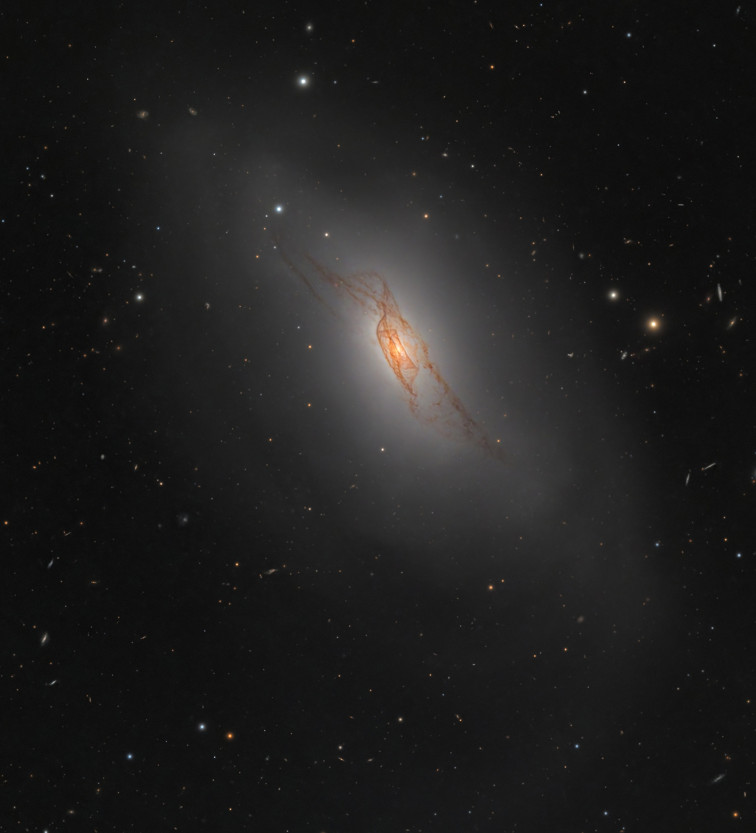 „NGC 4753: A Symphony of Dust Lanes in Virgo” — Zhipeng Yan i Xinran Li, zwycięzcy kategorii Galaxies. Fot. Zhipeng Yan i Xinran Li / Astronomy Photographer of the Year 2026.
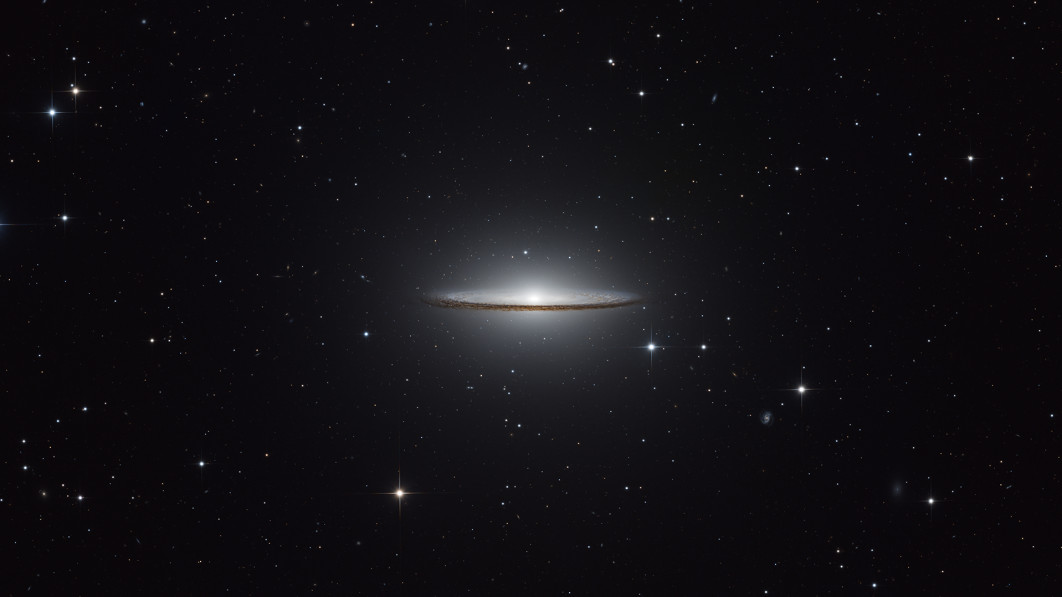 „M104: Pure Elegance” — Patrick Winkler, runner-up w kategorii Galaxies. Fot. Patrick Winkler / Astronomy Photographer of the Year 2026.
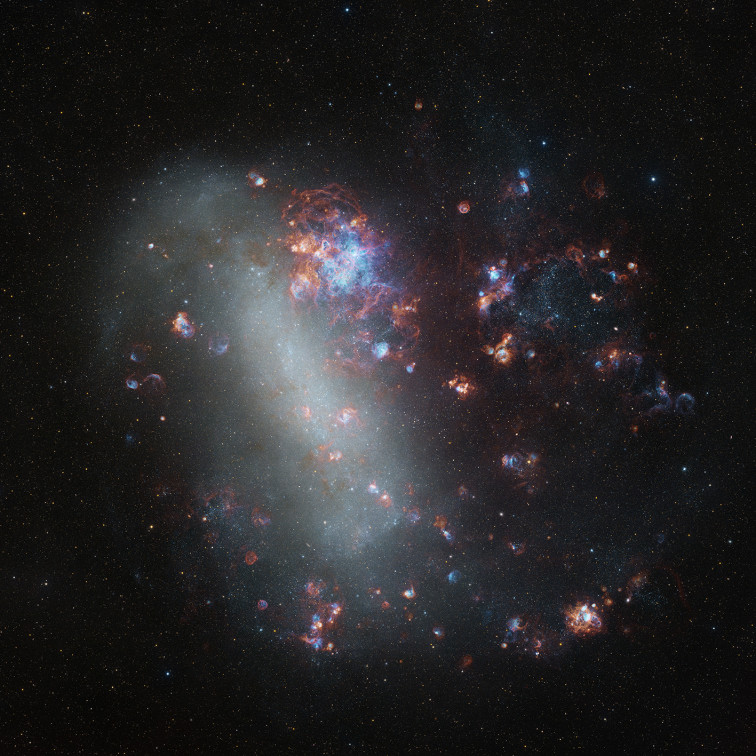 „Wildflowers Across a Neighbouring Galaxy: The Large Magellanic Cloud” — Shaoyu Zhang, highly commended w kategorii Galaxies. Fot. Shaoyu Zhang / Astronomy Photographer of the Year 2026.
Sir Patrick Moore Prize for Best Newcomer
Nagrodę otrzymał Haocheng Zhu za „M1: Echoes of an Ancient Explosion”.
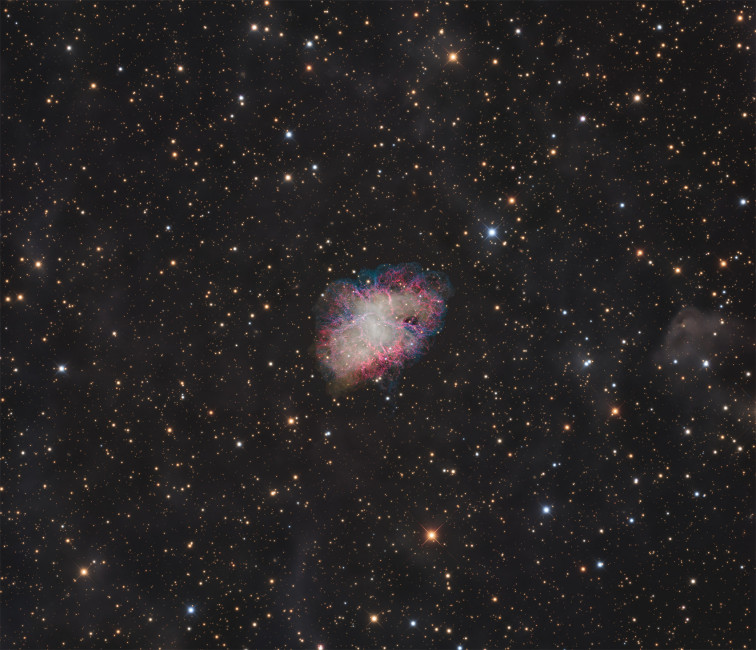 „M1: Echoes of an Ancient Explosion” — Haocheng Zhu, zdobywca Sir Patrick Moore Prize for Best Newcomer. Fot. Haocheng Zhu / Astronomy Photographer of the Year 2026.
Pełna lista głównych zwycięzców
| Kategoria | Zwycięzca | Zdjęcie |
|---|---|---|
| Overall Winner / Stars and Nebulae | Ali Alobaidly | The Quiet Predator |
| Aurorae | Radoslav Sviretsov | The Crown |
| Our Moon | Petr Horalek | Venusian Pearl on the Moon |
| Our Sun | Miguel Claro | Active Region 4122 |
| People and Space | Max Inwood | A Message from the Ancients |
| Planets, Comets and Asteroids | Tom Williams | Saturnian Equinox |
| Skyscapes | Stefano Pellegrini | Botswana Star Trail |
| Galaxies | Zhipeng Yan i Xinran Li | NGC 4753: A Symphony of Dust Lanes in Virgo |
| ZWO Young Astronomy Photographer of the Year | Nikolaos Strimpoulis | Mineral Moon |
| Best Newcomer | Haocheng Zhu | M1: Echoes of an Ancient Explosion |
| Annie Maunder Open | Paweł Wawrzyniak* | Reverse Astronomy: Mother |
* zobacz uwagę wyżej dotyczącą rozbieżności w zapisie nazwiska między Royal Museums Greenwich i Fotopolis.
Wystawa w Londynie
Zwycięskie fotografie są prezentowane w National Maritime Museum w Londynie. Wystawa została otwarta 18 września 2026 roku i prezentuje około 100 fotografii pokazujących różne oblicza współczesnej astrofotografii.
Główna nagroda wynosi £10 000. Zwycięzcy pozostałych kategorii otrzymują £1500, runner-up £500, a wyróżnieni £250. Nagrody specjalne wynoszą £750.
Astrofotografia między nauką a sztuką
Tegoroczna edycja dobrze pokazuje, jak bardzo zmieniła się współczesna astrofotografia. Z jednej strony mamy zdjęcia wymagające dziesiątek godzin zbierania materiału, precyzyjnego prowadzenia teleskopu i zaawansowanej obróbki. Z drugiej – eksperymentalne projekty, takie jak „Reverse Astronomy: Mother”, wykorzystujące fotografię analogową i nietypowe procesy obrazowania.
Wspólnym elementem pozostaje cierpliwość. W astrofotografii pojedyncze zdjęcie często jest tylko początkiem: trzeba zaplanować miejsce i czas, dobrać sprzęt, zebrać materiał, a następnie spędzić wiele godzin nad jego obróbką.
„Cichy drapieżnik” jako symbol konkursu
„The Quiet Predator” łączy ogromną ilość zebranego materiału, zaawansowaną technikę, precyzję oraz świadome podejście do kompozycji. Mgławica Rekin, znajdująca się około 650 lat świetlnych od Ziemi, wygląda na zdjęciu niemal jak samotny drapieżnik płynący przez kosmiczną przestrzeń.
To właśnie takie fotografie pokazują, że astrofotografia może być jednocześnie dokumentacją rzeczywistych obiektów astronomicznych i niezwykle sugestywną formą sztuki.
Materiał przygotowany na podstawie informacji opublikowanych przez Fotopolis.pl oraz Royal Museums Greenwich. Fotografie należą do ich autorów i organizatorów konkursu.
Źródło główne: Fotopolis.pl — „Cichy drapieżnik” najlepszym zdjęciem konkursu Astronomy Photographer of the Year 2026. Pełna galeria zwycięzców: Royal Museums Greenwich.